
What is a thought made of? Why human consciousness may be beyond AI’s reach
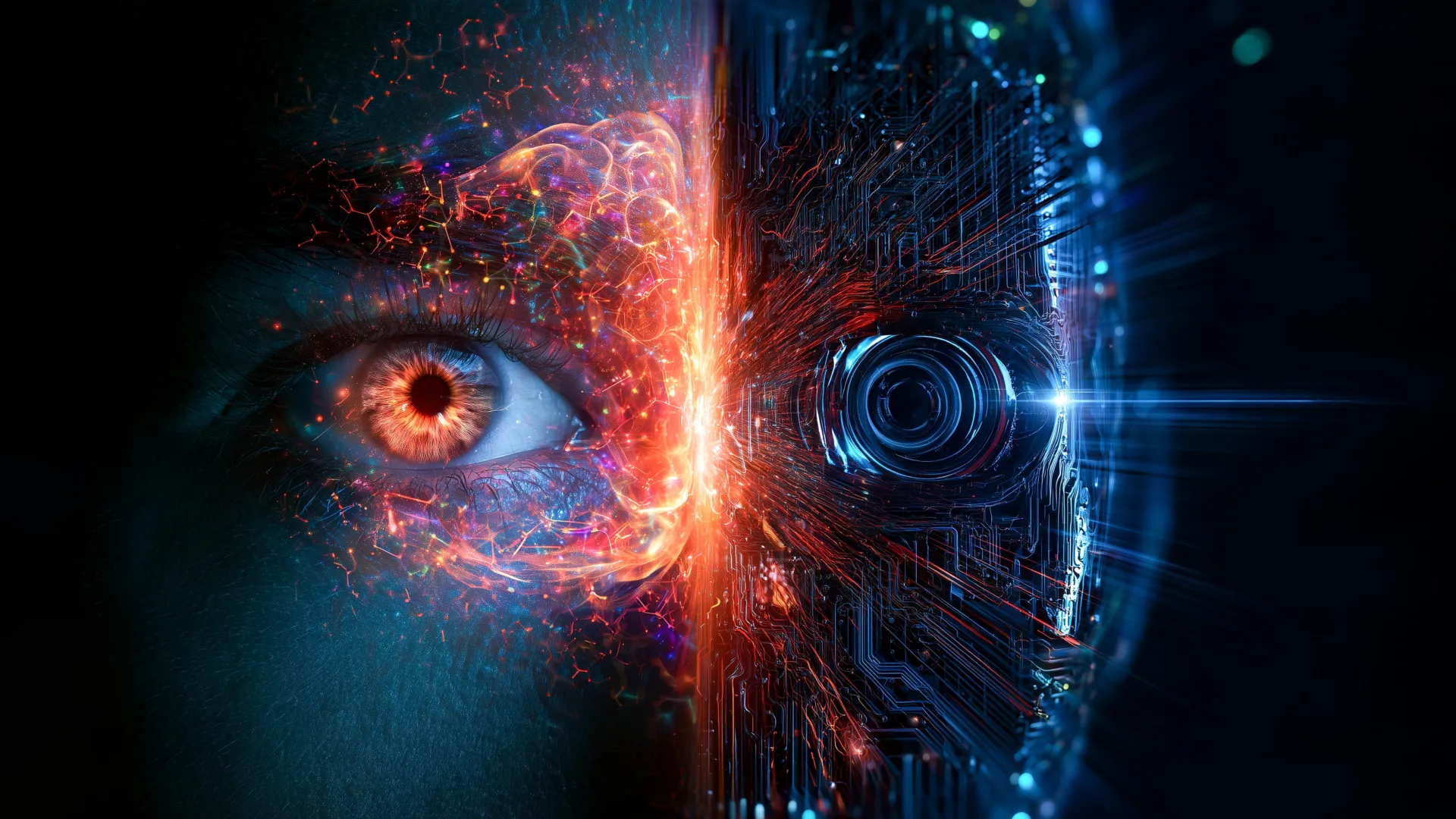
The fundamental difference between human intelligence and artificial intelligence may have less to do with computing power than with the chemistry of memory. Researchers propose that the brain not only communicates through electrical signals but may also "write" and "read" memories through chemical interactions involving neurons, astrocytes, and the molecules surrounding them. By linking memory to emotion and thought, the theory raises an increasingly relevant question: Can computational power alone give rise to the kind of consciousness experienced by living organisms?
Hearing a familiar song can transport someone back decades. A distinctive scent can bring a forgotten person or place to mind, while recalling a terrifying experience can trigger both emotional and physical reactions within moments.
Like the human brain, computers can store and retrieve information. However, the mechanisms underlying biological memory may be fundamentally different.
A new review by Dr. Gerard Marx of MX Biotech Ltd. and Professor Chaim Gilon of the Department of Chemistry at the Hebrew University of Jerusalem explores the physical and chemical mechanisms that could link memory, emotion, and thought.
In their paper, "Consciousness, Memory and Intelligence: A Mechanistic Perspective," the researchers suggest that understanding memory requires more than studying neurons and their electrical activity. They argue that other brain cells, particularly astrocytes, and the intricate molecular environment surrounding them may also play essential roles.
Building on their previous research into the molecular foundations of memory, Marx and Gilon examine whether the processes responsible for storing and retrieving experiences could also shed light on the origins of intelligence, thought, and consciousness.
The Brain's Hidden Chemical Code for Memory
Central to the researchers' proposal is a model known as the Tripartite Mechanism of Memory.
According to this theory, memories emerge from interactions between three major components: brain cells, especially astrocytes working alongside neurons; the molecular substances surrounding those cells; and various chemicals, including metal ions, neurotransmitters, and gliotransmitters.
Rather than relying exclusively on electrical communication between neurons, the brain may use chemical processes to encode and retrieve information.
Astrocytes, which are abundant throughout the brain and maintain close interactions with neurons, are particularly important to this proposed mechanism. Marx and Gilon suggest that groups of astrocytes help process cognitive information through their interactions with neurons and the extracellular environment, the space and molecular material surrounding brain cells.
The new paper expands this hypothesis to explore the nature of thought itself. If the brain can physically encode an experience as a memory, the process of recovering that information, recognizing it, and interpreting its significance might contribute to the formation of thoughts.
Why Memories Carry Emotional Meaning
One of the central arguments of the researchers' theory is that biological memories contain more than stored information. They are also closely connected to emotional experiences.
A scent associated with childhood may spark feelings of happiness. Hearing a familiar voice can provide reassurance, while remembering a frightening event may produce an immediate physical response.
Marx and Gilon contend that a physical model of memory must account for these emotional associations. Their proposed mechanism incorporates neurotransmitters and other chemical messengers that may help encode cognitive information alongside its emotional significance.
This potential biochemical connection between memory and emotion provides a starting point for investigating larger questions about how the brain generates thought, intelligence, and conscious experiences.
What Human Consciousness May Have That AI Lacks
The rapid development of artificial intelligence makes these ideas particularly relevant.
Although computers and brains can both retain and access information, the physical mechanisms behind these abilities may differ considerably. Computer memory is ultimately encoded in electronic hardware. Biological memory, the researchers propose, may instead depend on the intricate cellular and chemical machinery of living brain tissue.
This distinction becomes increasingly significant as AI systems grow more capable of performing tasks traditionally associated with human reasoning and intelligence.
Marx and Gilon challenge the assumption that simply increasing computational power and complexity will eventually produce consciousness comparable to that of a living brain. They argue that electronic systems lack the biological structures and emotional mechanisms found in living organisms.
The researchers are not suggesting that AI cannot develop increasingly advanced intellectual capabilities. Instead, they question whether demonstrating intelligent behavior is equivalent to possessing the biological mechanisms responsible for memory, emotion, and conscious experience.
How Memory May Give Rise to Thought
Marx and Gilon emphasize that their theory does not solve the enduring mystery of consciousness. They explicitly acknowledge that the nature of conscious life remains poorly understood.
However, their proposed biochemical framework offers a different way to investigate the physical processes that may underlie mental activity. By examining interactions between brain cells and their chemical environment, the Tripartite Mechanism of Memory could provide researchers with another avenue for exploring how the mind works.
While their earlier research focused on how memories might be physically encoded within the brain, their latest work addresses a much broader problem.
Understanding how living brain tissue transforms experience into memory could eventually help explain how memories become thoughts, how conscious experiences arise, and what fundamentally distinguishes biological intelligence from artificial intelligence.
Comments 0
Leave a Reply
Your email address will not be published. Required fields are marked *
Science
Explore All
Common sleep and anxiety drugs could be harming aging brains
Nearly one in three older adults with dementia or other cognitive disorders takes potentially harmful medications that can worsen brain function and i...

Peppermint oil significantly lowers blood pressure in just 20 days
3 hours ago
A space telescope hunting for dark matter just discovered something unexpected
3 hours ago
Physicists trap antimatter in a breakthrough that could explain why the universe exists
4 hours agoWhat is a thought made of? Why human consciousness may be beyond AI’s reach
4 hours agoWhats New
View All
The questions Jensen Huang and Nvidia will still have to answer about Megaspeed

AI Horror Short ‘Sikkal’ Wins WIF India x Google Flow Filmathon as Director Promita Banerjee Aims to Make ‘Films With Humans’

Trump to meet Abdul El-Sayed: Will he agree to a renamed Medicare-for-all?

Trinity Rodman out of USWNT’s World Cup qualifier due to shoulder injury

Bayern Munich’s Musiala checked for neurological symptoms in April 2025

Mike Newell Recalls Being Shot at in Colombia While Filming ‘Love in the Time of Cholera’ With Giovanna Mezzogiorno: ‘She Was Like, “F— All This!”’

Vijay Sethupathi’s ‘Maharaja’ Producer Confirms Hollywood Remake Approach as WAVES Film Bazaar Panel Weighs Whether Indian IP Can Travel

Catalan separatist Puigdemont to return to Spain on December 12

Veteran Nigerian Nollywood actor Pete Edochie dies aged 79
