Traffic through Strait of Hormuz falls steeply after new US-Iran strikes
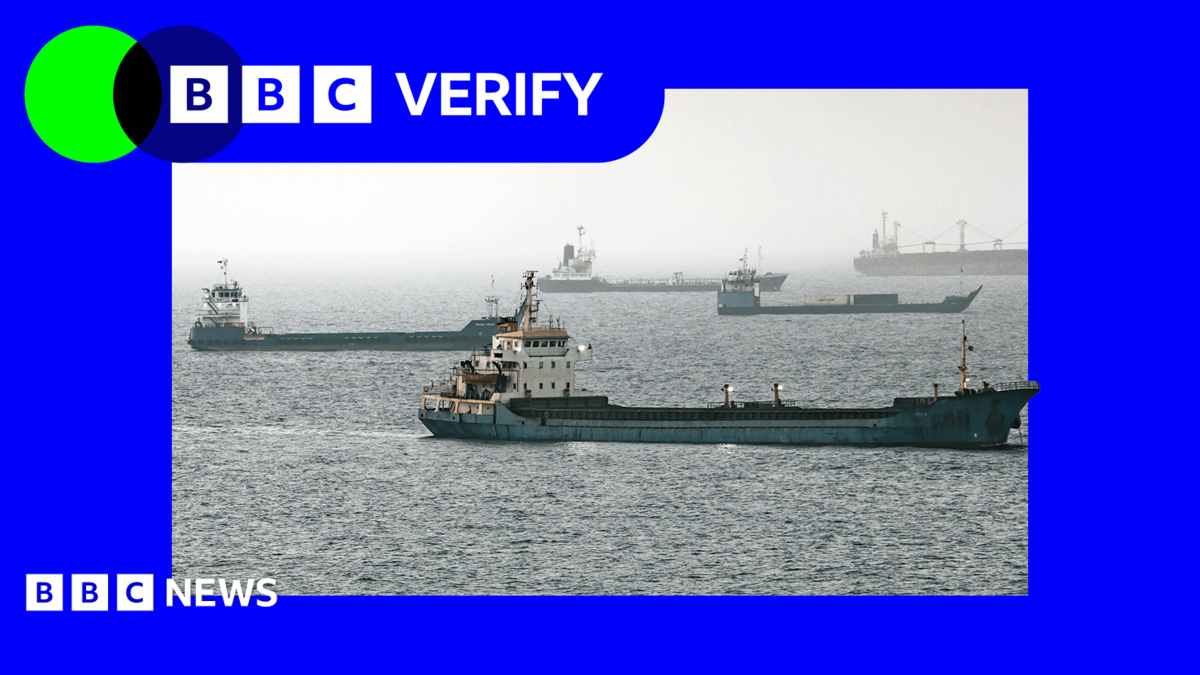
Traffic through the Strait of Hormuz has fallen steeply after a series of tit-for-tat strikes by the US and Iran following an attack on three tankers earlier this week.
Just 23 tankers and cargo ships crossed the critical Gulf waterway on Wednesday, according to the maritime intelligence firm Kpler, down from 47 from a week before
The three ships that were struck this week were using a US-recommended route through Omani waters. Iran has repeatedly said the only "safe" route is separate route through its waters.
For decades vessels have been given free passage through the strait, through which more than a fifth of the world's oil and gas supplies as well as fertiliser shipments and other vital goods flow.
Before the conflict began an average of 138 ships crossed through the strait each day, according to the Joint Maritime Information Center (JMIC), a multinational maritime group including the US.
After the US and Israel launched its first strikes on Iran on 28 February, this fell to just a handful of ships per day,
Iran effectively closing the strait by attacking ships attempting to cross and laying mines and the US responded with a blockade on all shipping to and from Iranian ports.
A deal to end the war, which was signed on 17 June, included steps to re-open the strait. Washington also agreed to lift its naval blockade and ease sanctions on Iranian oil exports.
Following the agreement overall traffic levels in the strait did initially increase to a peak of 72 ships on 24 June.
Throughout its negotiations with the US, Iran has insisted it has the right to control movement through the strait and introduce fees for ships to pass.
The US and its Gulf allies, as well as governments in Europe and Asia, oppose this and say passage through the strait must return to being free and open as it was before the conflict began.
After the deal to end the war, the Iranian government set out a system of lanes through the north of the waterway close to the Iranian coast, which it said all traffic must use.
"The only safe route for the passage of commercial ships and oil tankers in the strait is the route determined by the Islamic Republic of Iran," Iran's top military command, Khatam al-Anbiya Central Headquarters, reiterated after this week's ship strikes.
After the deal was signed, the JMIC recommended instead that ships take a different route through Omani waters in the south of the strait.
The number of ships using this Omani route grew to a peak of 28 vessels on 25 June, Kpler's data shows, overtaking the number of transits via the Iranian route.
Then on 25 and 27 June two ships in Omani waters were struck with Iran warning all vessels to only use its approved routes.
President Donald Trump accused Iran of a "foolish violation" of its truce and the US military conducted strikes on Iranian targets.
Iran in turn accused the US of violating their interim deal and said it had struck targets linked to American forces in the region.
The number of ships transiting via the Omani route initially slumped following the strikes, before continuing at a lower level than before.
Comments 0
Leave a Reply
Your email address will not be published. Required fields are marked *
World News
Explore All
‘Not Nigel Farage’: Who is Count Binface, contesting as MP for Clacton, UK?
The joke candidate with a bin-shaped helmet is so far Farage's only challenger in the English constituency of Clacton.

‘She doesn’t give up that easily’: France’s Le Pen eyes the Elysee
1 hour ago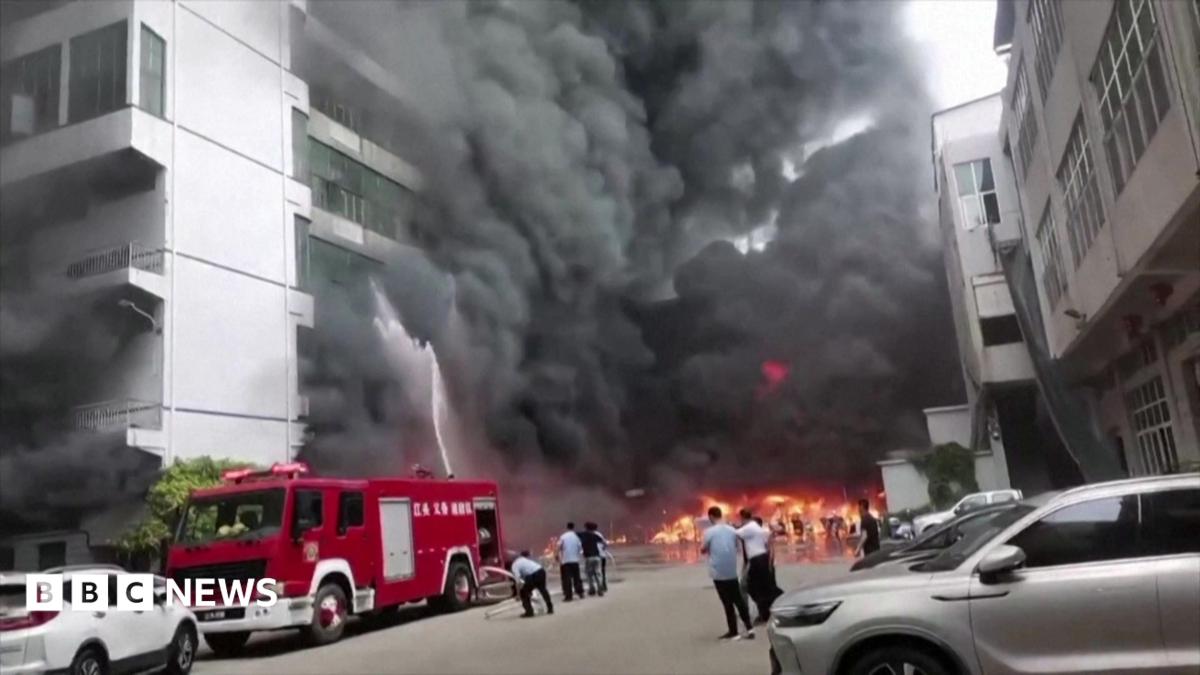
Factory fire kills at least 28 in China's 'shoe capital', state media reports
1 hour ago
Traffic through Strait of Hormuz falls steeply after new US-Iran strikes
1 hour agoTrump targets Spain, NATO backs Ukraine: Is the alliance still united?
2 hours agoWhats New
View All
Michael Fassbender’s Production Company DMC Expands in Ireland Following Investment From Fine Point Films

Tony Nominee Lila Neugebauer Boards Netflix Drama Series ‘The Retrievals’ as Pilot Director (EXCLUSIVE)

No RPG Lets Players Be As Evil As Fable 2

Anthropic’s new Claude feature is quietly selling you on AI
Factory fire kills at least 28 in China's 'shoe capital', state media reports

Anthropic, OpenAI, and SpaceX are bigger than the last 25 years of tech exits
Are we Paying too Much for Costco Wholesale Corporation (COST)?
Traffic through Strait of Hormuz falls steeply after new US-Iran strikes