
Southeast Asian Cinema’s Global Rise Needs Long-Term Backing to Last, Says JAFF Chief Ifa Isfansyah

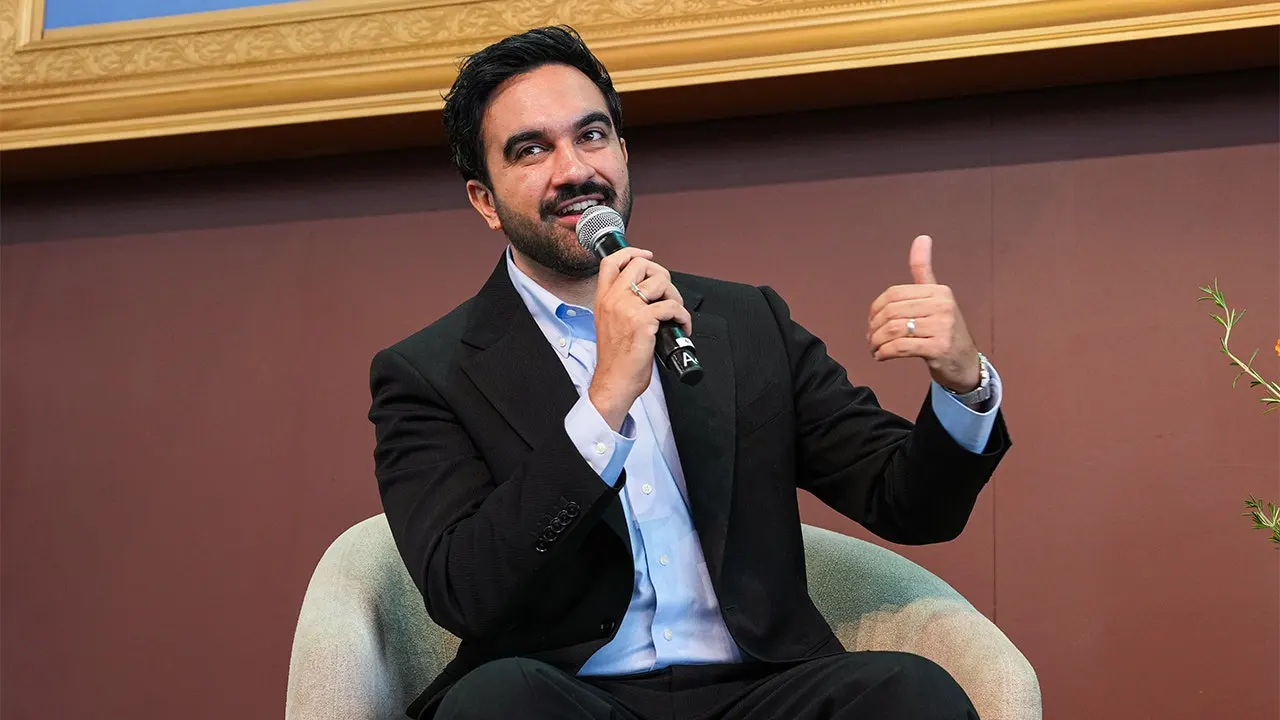
The quality and international profile of Southeast Asian cinema have grown sharply, and Ifa Isfansyah, festival director of Indonesia’s Jogja-Netpac Asian Film Festival (JAFF), wants countries to build on that by treating film as part of their cultural strategy.
He singles out the Philippines for its consistency in developing talent and keeping a presence abroad.
“I would say that, for now, it is still more of an anomaly than a fundamental structural shift,” Isfansyah tells Variety. “However, international recognition is still largely driven by the strength of individual films and filmmakers, rather than by a broader, sustained strategy to strengthen cinema as part of a country’s cultural infrastructure.”
Isfansyah is also one of Indonesia’s leading independent producers. He founded Forka Films, formerly Fourcolours Films, in 2001, and his producing credits include Kamila Andini’s “Yuni” and “Before, Now & Then,” as well as her latest, “Four Seasons in Java,” which played Toronto’s Centerpiece program and Busan this year.
“I believe countries need to recognize cinema as an important part of their cultural strategy, not merely as an industry or a source of national prestige,” he says. “This requires long-term investment, institutional support, and a commitment to building sustainable connections with the international film community.”
JAFF’s 21st edition drew more than 1,000 submissions, from which the festival picked 254 films from 34 countries. The program runs under the theme “Influx,” opening with Lawrence Fajardo’s Filipino drama “Silenced Nights” and closing with Ueda Makoto’s Japanese comedy-drama “You Are the Film.”
Isfansyah says the current social, political and economic climate pushed the team to rethink what staging a festival should mean this year. “We did not want JAFF to become a celebration disconnected from the realities around us. This is not a moment for an excessively festive atmosphere or for pretending that everything is fine.”
Fajardo’s film, he says, speaks directly to present-day anxieties. Opening with it was meant to signal that “cinema must remain connected to the world we live in, and a festival should not be afraid to confront difficult realities.”
The closer is pitched partly at younger viewers, as a reminder of where JAFF came from. “JAFF began with a love for films like this, films that may not necessarily be grand in scale or production, but possess sincerity, imagination, and a strong cinematic voice,” Isfansyah says. “I think it is important to remember that a film does not have to be big to be powerful.”
Among the submissions, he noticed filmmakers growing bolder, especially in shorts, with more of them playing with form and blurring fiction and nonfiction. “Short films are increasingly becoming spaces for creative risk-taking,” he says, rather than mere stepping stones to features.
Many films were also more political, though not always in the sense of tackling institutions or specific events. “There is a growing urgency to tell stories that respond to the realities surrounding us.”
The “Influx” theme also nods to change across Asian cinema, from a new generation pushing against established storytelling to shifts in how films get financed and reach audiences. “However, I think it is important to look beyond the idea of change as simply a matter of technological or industrial transformation. We should also ask where these currents are taking us, whose voices are shaping the direction of Asian cinema, and what kind of future we are building together,” Isfansyah says.
On Indonesia’s local box office boom, he sees no hard line between the country’s commercial, arthouse, independent and genre directors. “Many filmmakers know one another, compete in a healthy way, exchange ideas, and often support each other’s work,” he says. Commercial hits, he adds, pull more people into cinemas, lift interest in local titles and draw investment, while challenging independent work keeps the industry diverse and credible.
Premieres matter, but they have never been JAFF’s main yardstick. What counts is whether a film merits a slot and whether it has already had a fair shot at the festival’s audience. “If we believe a film has not yet had the opportunity to reach JAFF’s viewers, we will be interested in bringing it here, regardless of whether it has already premiered elsewhere.”
As it enters its third decade, the festival wants to put back into the ecosystem that built it. This year it launched JAFF Kids, aimed at children and young audiences, and JAFF Awards, which honors individuals, institutions and initiatives in Indonesia and the wider region that have helped develop film culture. Earlier programs JAFF Community Forum and JAFF Market grew strong enough to become parallel events in their own right.
However large JAFF gets, Isfansyah says it has to keep resting on emerging talent, industry professionals and academics, and keep all of them talking to one another.
“For me, being community-driven does not mean remaining small. It means remembering that the festival exists because of the people who build it, participate in it, and give it meaning.”
Comments 0
Leave a Reply
Your email address will not be published. Required fields are marked *
Entertainment
Explore All
Planning a Holiday Trip to New York City? These Hilton Hotels Put You Steps From the City’s Most Festive Attractions
There’s New York, and then there’s New York at Christmas. Few cities have played a more memorable role in holiday movies, from Kevin McCal...

A Demon Baby and a Contract-Killing Company Anchor Indonesian Dark Comedy ‘Gokill’ at JAFF Market
3 hours ago
‘Beauty and the Beast’ Becomes a Tale of Coercive Control in Romantic Thriller ‘Wreck and Ruin’ at JAFF Market
3 hours ago
Indonesian Social Thriller ‘A Quiet Sunshine’ Speaks Up for Women’s Bodily Autonomy at JAFF Market
3 hours agoMigrant Worker Tale ‘Luz and Flor’ Finds Prehistoric Filipino and Indonesian Humans in Spain at JAFF Market
3 hours agoWhats New
View All
Sakana AI’s CEO says its homegrown models are about more than Japan’s national security
Planning a Holiday Trip to New York City? These Hilton Hotels Put You Steps From the City’s Most Festive Attractions

Scientists may have discovered the hidden root cause of allergies

Yale scientists may have found a shortcut to the anti-aging benefits of eating less

Iran points to Europe’s war role after Italians killed in Kuwait strike

Scientists create stunning, non-fading paint without a single pigment

Court rejects Argentina’s request to stop UK oil activity near Falklands

Bootleg alcohol poisonings in Iran see dozens dead and badly injured
Mamdani eyes 2028 kingmaker role as expert warns socialist movement could gain power even in defeat
