
NASA Invites Media, Public to Join Voyager 1 One-Light Day Activities
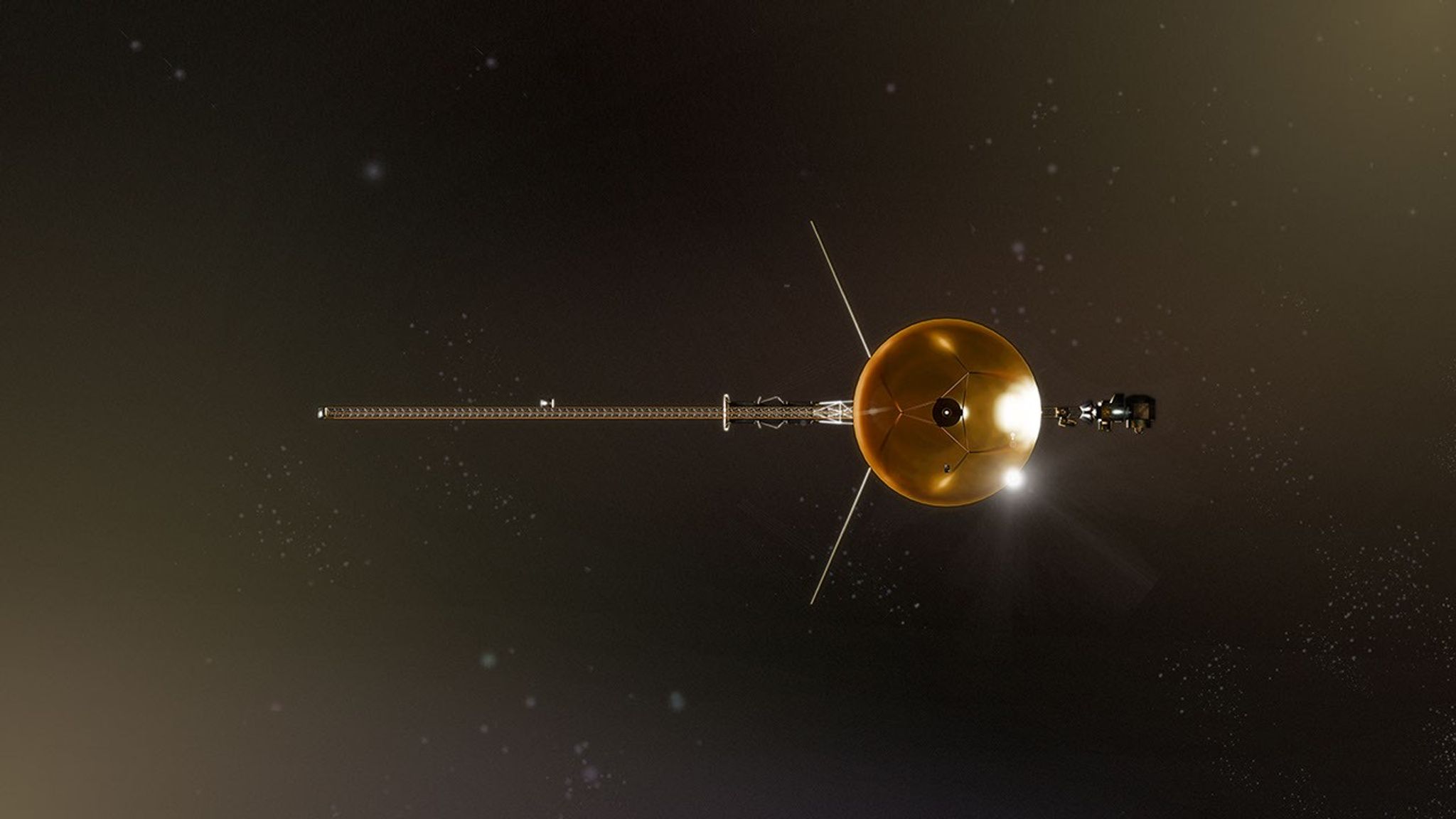
Launched nearly 50 years ago in 1977, NASA’s Voyager 1 on Wednesday, Nov. 18 will have traveled one light-day from Earth, which is more than 16 billion miles (25.9 billion kilometers). Voyager 1 is the most distant human-made object, and any light from Earth would take 24 hours to reach the spacecraft. NASA will highlight this historic milestone with two events.
On Tuesday, Nov. 17, NASA invites the world to participate in “Shine Bright for Voyager’s Light-Day” by creating a symbolic wave of golden light encircling the planet after sunset. NASA has created a website that enables smart phones and tablets to flash “VGR”, Voyager’s call sign, in morse code.
For more information about how to participate in “Shine Bright for Voyager Light-Day,” visit:
Everyone is encouraged to capture photos or videos of their light-day signal and share it on social platforms, tagging @NASA.
On Thursday, Nov. 19 at 12 p.m. EST (9 a.m. PST), NASA’s Jet Propulsion Laboratory (JPL) in Southern California will host a moderated discussion with mission members and NASA leadership about the status of Voyager 1 and 2, the unique science the twin probes continue to gather in interstellar space, and the challenges of keeping the spacecraft operating for so long over such vast distances. A Q&A with media and other audience members will follow. In addition, there also will be a preview of the upcoming NASA+ Voyager documentary, planned for release in 2027 for the mission’s 50th anniversary.
The event will take place in NASA JPL’s von Kármán Auditorium, where JPL hosted Voyager briefings during the spacecraft’s grand tour of the outer planets.
The participants will be:
- Nicky Fox, associate administrator, Science Mission Directorate, Washington
- Jonathan Lunine, chief scientist, NASA’s Jet Propulsion Laboratory, Southern California, and professor of planetary science, Caltech
- Suzanne Dodd, Voyager project manager, NASA JPL
- Kareem Badaruddin, Voyager mission manager, NASA JPL
- Jamie Rankin, Voyager deputy project scientist, Princeton University
Learn where to watch online at:
U.S. media interested in attending the event in person must RSVP by Monday, Nov. 16 to Josh Smooha at: josh.smooha@jpl.nasa.gov. To be considered for onsite credentials, foreign national media must RSVP no later than Thursday, Nov. 12. Media interested in participating virtually must RSVP no later than two hours before the event. NASA’s media accreditation policy is available online.
For almost half a century, the agency’s Voyager mission has blazed a trail through space. Voyager 1 and Voyager 2 were designed to explore the outer planets by taking advantage of a planetary alignment that occurs once every 176 years. Voyager 1 entered interstellar space in 2012. Following a different trajectory, Voyager 2 entered in 2018. Both spacecraft continue to provide unique scientific observations of the environment beyond the heliosphere, the protective bubble created by the Sun.
Managed by Caltech in Pasadena, California, NASA JPL built and operates the Voyager spacecraft. NASA’s Deep Space Network, also managed by NASA JPL, enables communication with the distant probes. The Voyager mission is funded by NASA’s Heliophysics Division at NASA Headquarters in Washington.
For more information about NASA’s Voyager mission, visit:
https://science.nasa.gov/mission/voyager/
-end-
Abbey Interrante / Karen Fox
Headquarters, Washington
202-358-1600
abbey.a.interrante@nasa.gov / karen.c.fox@nasa.gov
Josh Smooha
Jet Propulsion Laboratory, Pasadena, Calif.
626-298-4414
josh.smooha@jpl.nasa.gov
Comments 0
Leave a Reply
Your email address will not be published. Required fields are marked *
Science
Explore All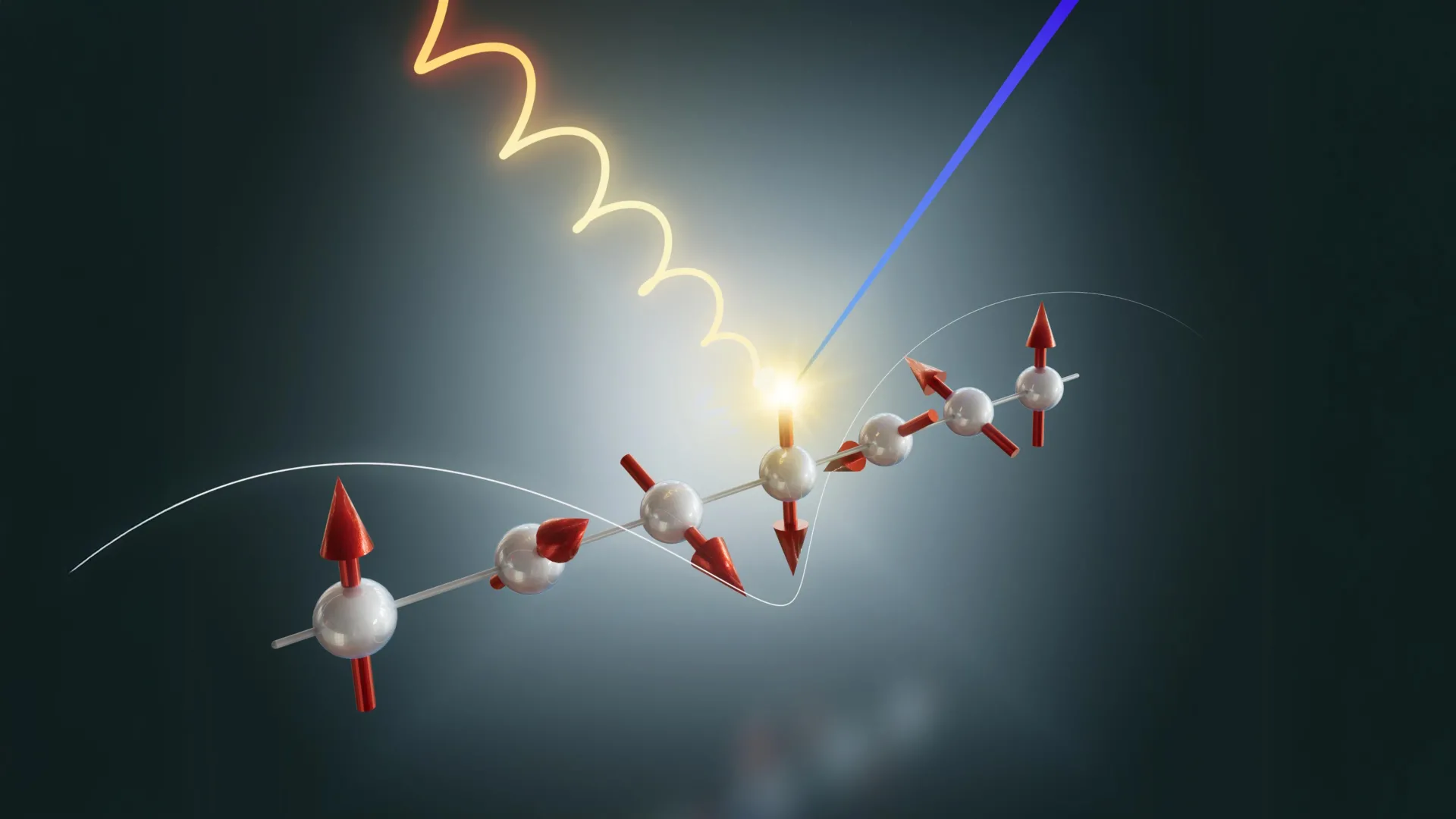
A simple metal is hiding a strange new form of magnetism
Scientists have discovered a strange form of magnetism in an ordinary-looking metal that has no overall magnetization yet profoundly changes how elect...
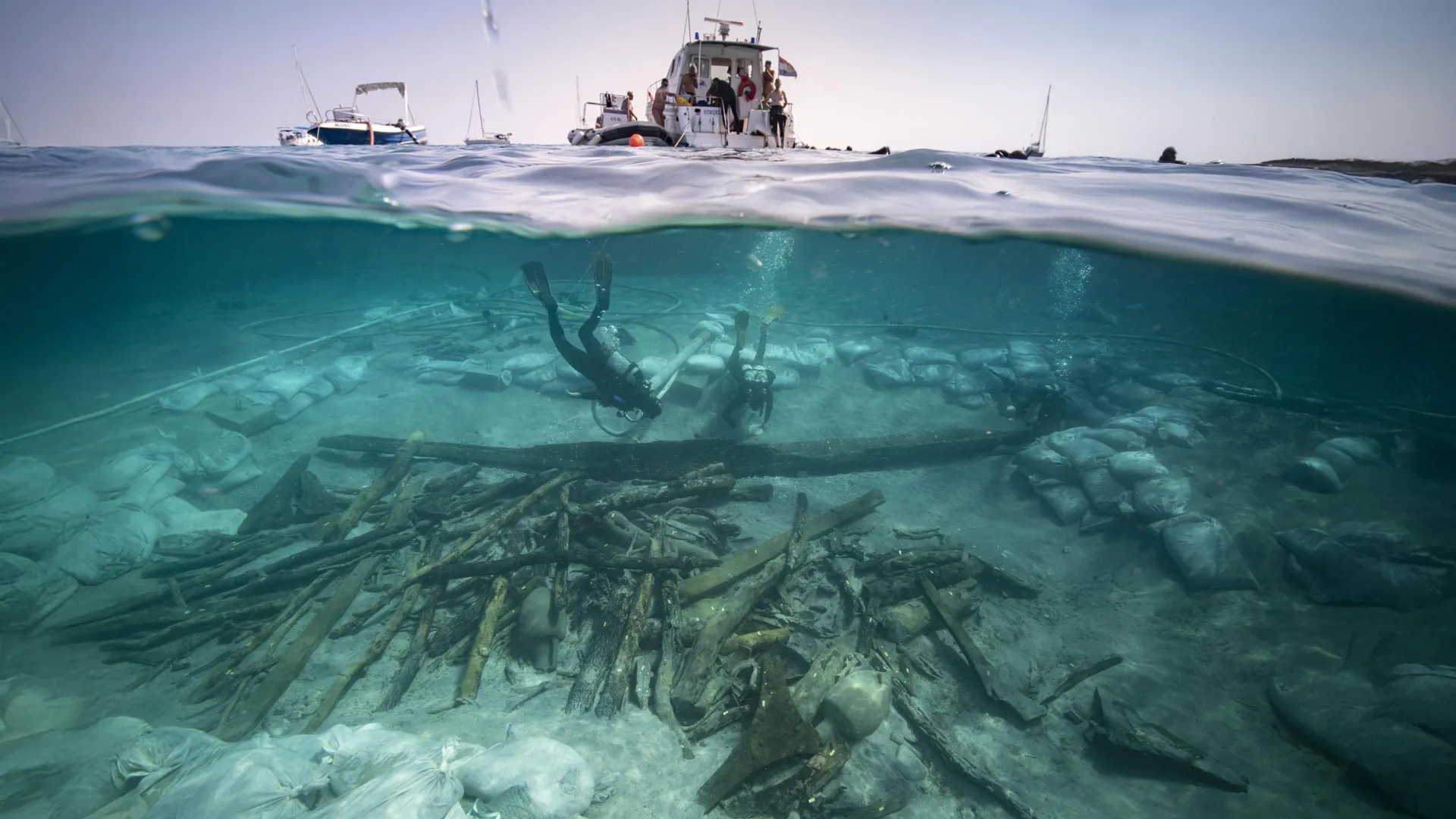
2,200-year-old Roman shipwreck reveals an ingenious waterproofing trick
2 hours ago
Cannabis users develop psychosis years earlier, and the gap grows with age
2 hours ago
Scientists discover a new type of depression that common antidepressants struggle to treat
2 hours agoEarth's next ice age may have already begun. Global warming stopped it
3 hours agoWhats New
View All
‘GTA 6’ Is a Birder’s Paradise

Best Early Black Friday AirPods Deals (2026)

Why is GTA 6 Getting Review Bombed?

The ‘eighth front’: Why Israel’s influence war in the US is failing

The Best Early Black Friday MacBook Deals (2026)

Now There’s a GLP-1 in Chocolate Form

Why are Russian warships off Libya, and will Ukraine’s attack change that?

GTA 6 Hacker Releases Full Xbox Build, And PC Modders Are Already Trying To Get It Running

Iraq orders takeover of oilfields in areas under Kurdish control
